
Born as "Çukurcuma Sürahi Hamamı," the structure was made possible by the intricate network of dams and waterways brought to Beyoğlu through the charitable foundation of Nakşidil Valide Sultan.
Over time, the hammam became known as "Süreyya," a name gracefully inscribed on its façade. Serving men and women at alternating hours, this noble establishment evolved into the neighborhood’s most prestigious gathering point.
Passed down to Yusuf Yılmaz Bey of Tokat after its original owners, the hammam meticulously preserved its hemispherical dome, mezzanine wooden changing rooms, and its unique structure featuring hidden stone staircases throughout the decades.
Acquired in 2007 with a fresh vision, the structure underwent a delicate restoration, staying true to its original essence. Today, as Çukurcuma Hamamı 1831, it continues to offer a serene, luxurious, and timeless hammam experience.
A 200-Year Legacy of Purification
Commissioned in the 1830s during the reign of Sultan Mahmud II, Çukurcuma Hamamı 1831 emerged during an era of great reform and cultural transformation in Ottoman Istanbul. It is believed that Nakşidil Valide Sultan—the French-born consort of Sultan Abdulhamid I and the spiritual mother of Mahmud II—played a pivotal role by bringing the water infrastructure to this district, paving the way for the hammam's construction.
From Sürahi to Süreyya
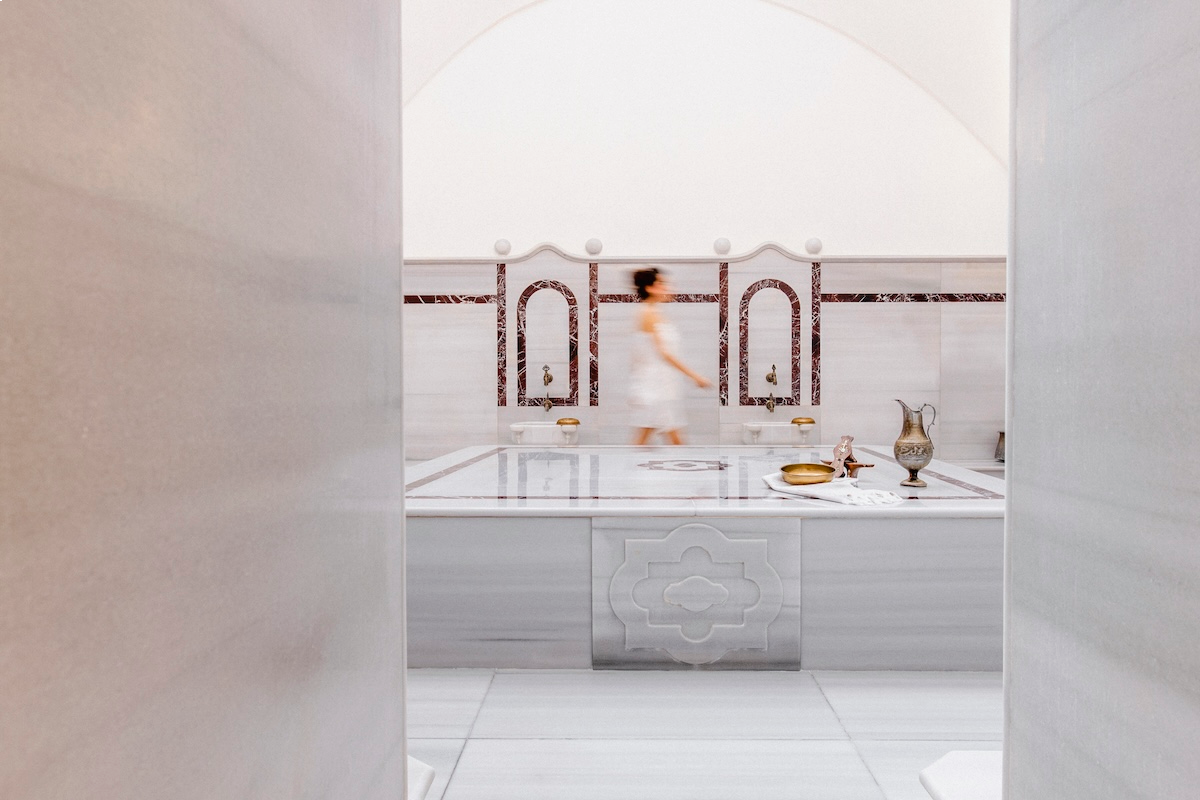
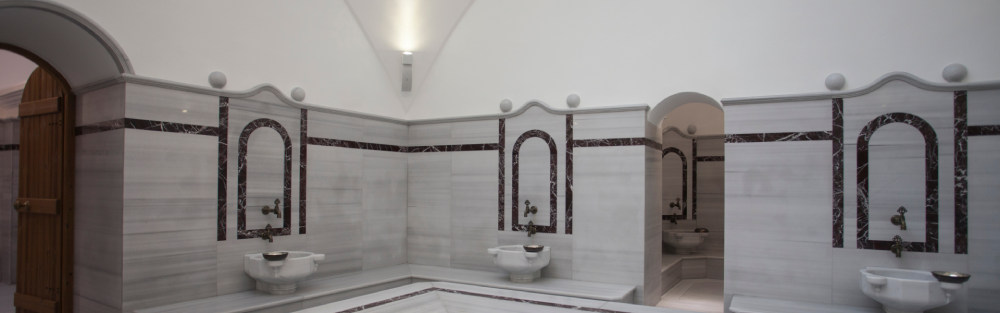
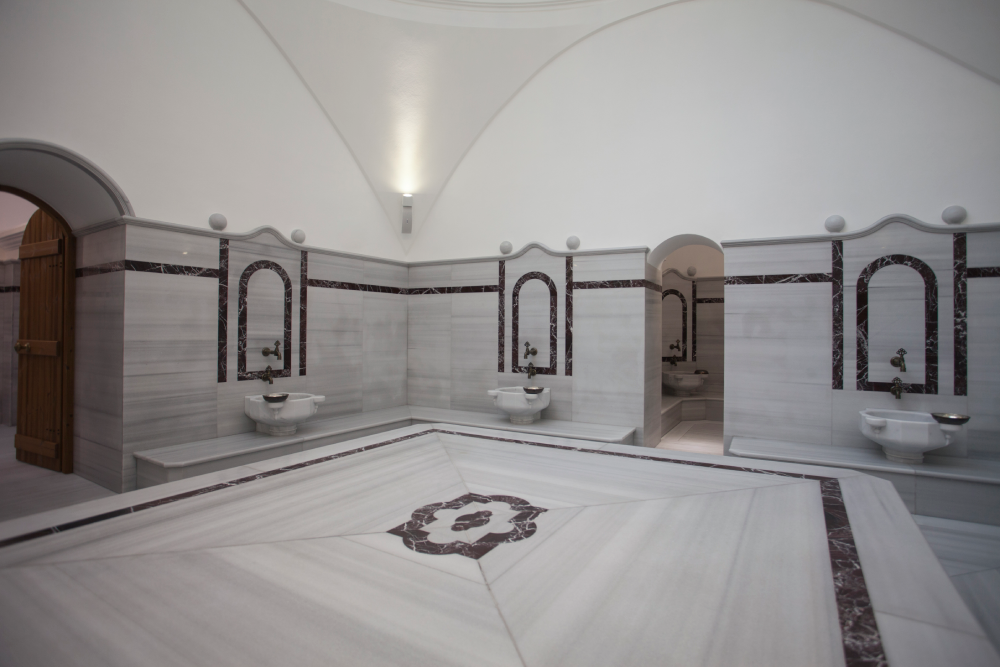
Initially known as Sürahi Hamamı and later embraced by locals as Süreyya Hamamı, the space quickly became a cherished local landmark. Its luminous, spacious dome, the central marble stone (göbektaşı), and traditional private chambers (halvet) still preserve the architectural elegance and the tranquil rhythm of that golden era.
Walls That Inspired Poetry and Cinema
In the late 19th century, the hammam was a frequent haunt of the great Alexandrian poet Constantinos Cavafy, renowned for his profound cultural depth. During his stay in Istanbul between 1880 and 1885, Cavafy was a regular at the hammam, adding a literary resonance to the marble chambers that echoes to this day.
More recently, Çukurcuma Hamamı 1831 secured its place in cinematic history through Ferzan Özpetek’s acclaimed debut feature, Hamam (1997). Pivotal scenes filmed within the Göbektaşı and Camekanlık areas captured the venue’s silent sensuality and timeless grace, introducing its grandeur to a global audience.
A Living Story
After closing for restoration in 2007, the hammam reopened its doors in 2018 as Çukurcuma Hamamı 1831. While honoring its ancestral heritage, it now operates as a sanctuary that embraces the highest standards of comfort, hygiene, wellness, and design.
Today, every detail—from hand-woven mitts crafted from tree bark to boutique soaps prepared with Ayvalık olive oil—reflects our commitment to tradition, pure textures, and meaningful renewal. Here, our guests are invited not just to a simple cleansing, but to a living story shaped by sultans, poets, master directors, and now, by you.